Blog
- Nov 16, 2026
 Field notes: the halo at the fence line we almost called mowing damage
A ring of dead grass along a fence line looked like mower scalping. A closer look at the staining underneath said otherwise.
- Nov 16, 2026
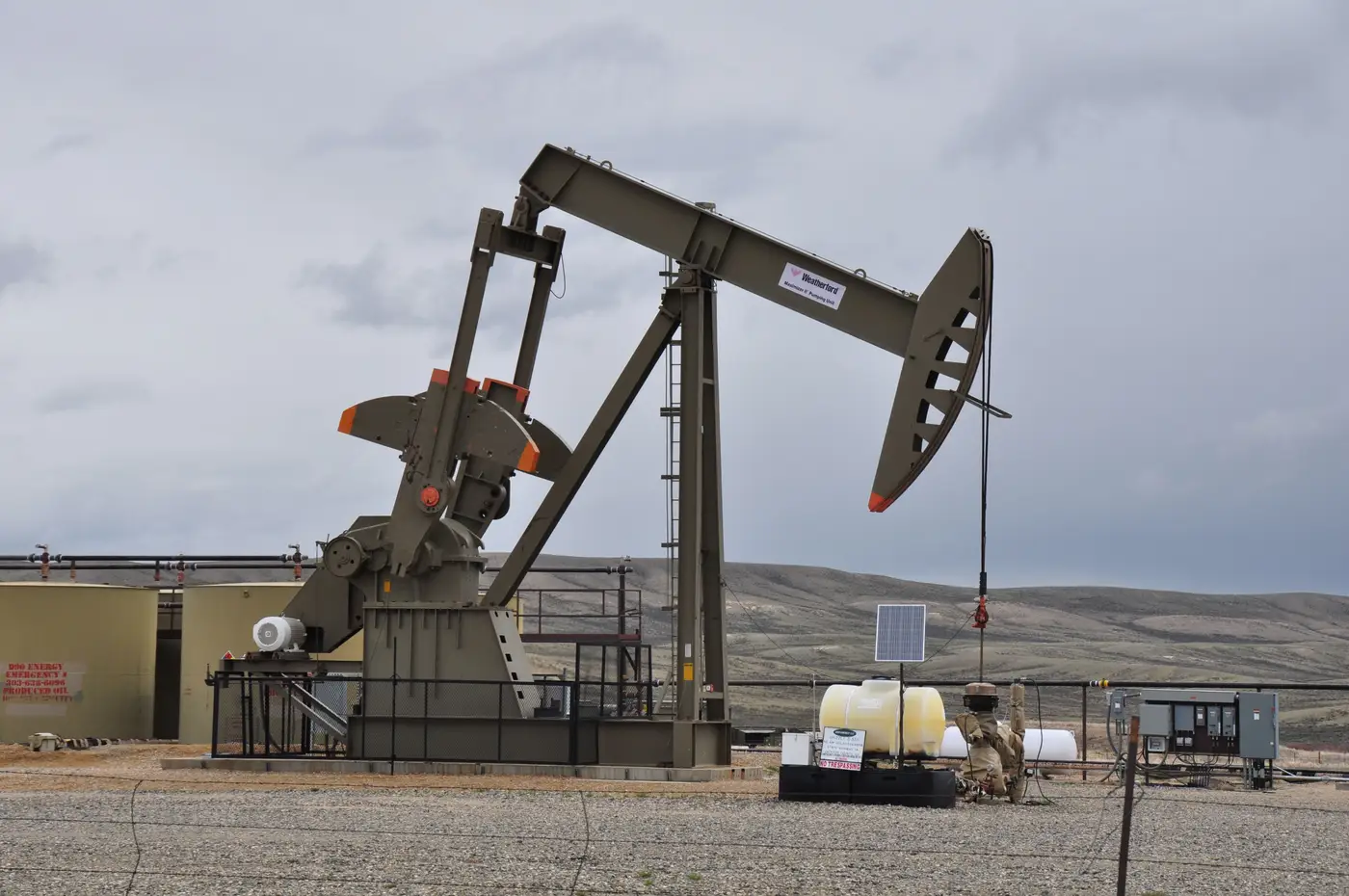 What is a flowline, and why it's the easiest leak on a lease to miss
A flowline runs low-pressure and often buried, which is why a leak between wellhead and tank battery can run for weeks before anyone sees it.
- Nov 9, 2026Cattle trail dieback vs. spill halo: reading a lease screen right
How to tell a cattle trail dieback pattern from a spill halo in satellite imagery, and why that difference matters on a lease screen.
- Nov 9, 2026
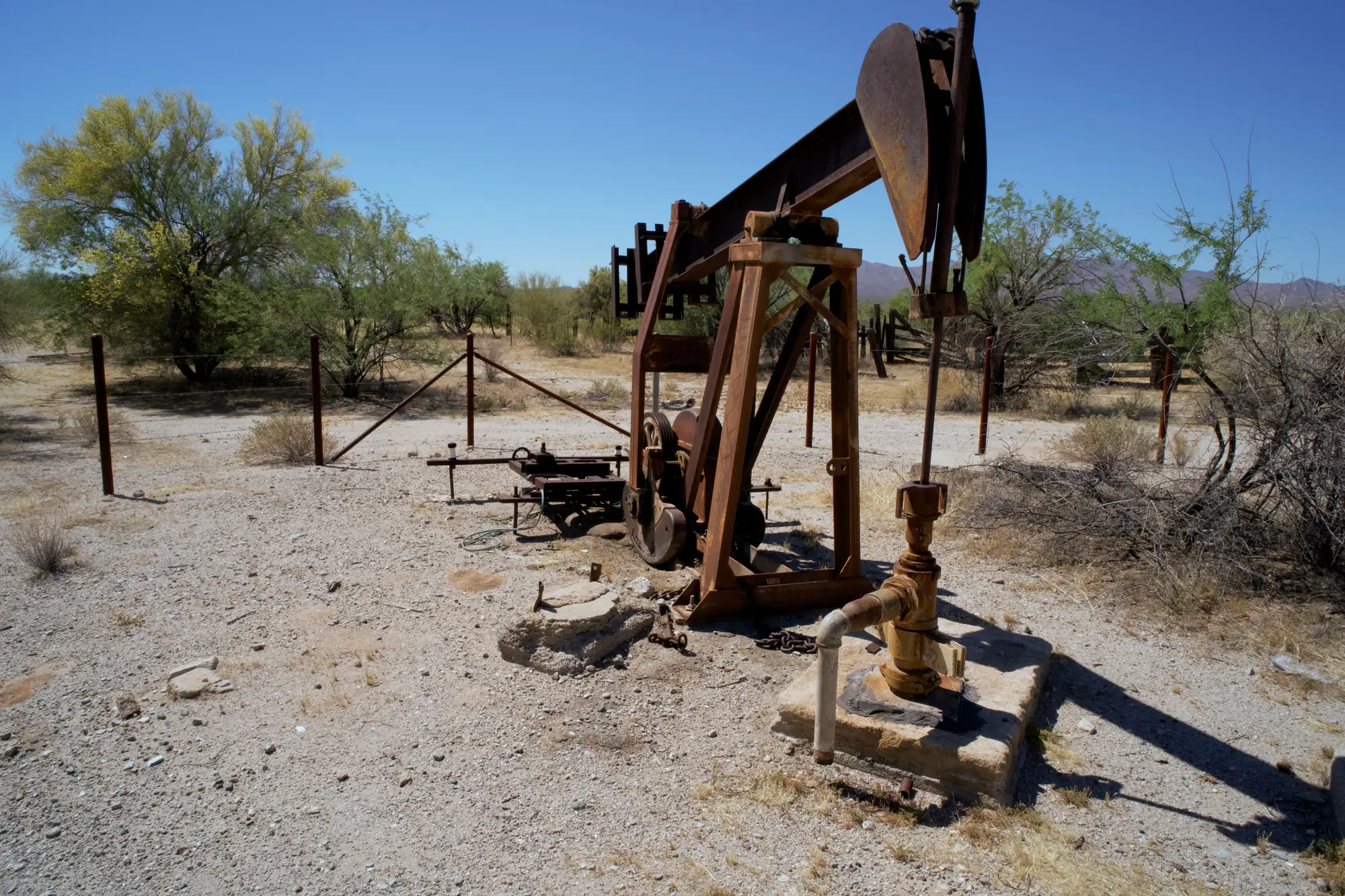 What is a legacy spill, and why does it still show up on a lease screen?
A legacy spill is an old release nobody closed out. Here's why it keeps surfacing during lease screens and what the vegetation tells you.
- Nov 2, 2026Field notes: the lease we almost closed out before the second pass caught the stain
A lease closeout passed its walkdown clean. A second imagery pass found the stain the boots missed. Notes on why one pass isn't enough.
- Nov 2, 2026What is secondary containment, and why a berm still overflows
Secondary containment is supposed to catch what a tank loses. Here's why berms still overtop, and what that means for spotting a release after the fact.
- Oct 26, 2026Frac pond liner tear vs. normal evaporation in satellite imagery
How to tell a frac pond liner tear or berm failure from normal evaporation in satellite imagery, and what signatures to look for.
- Oct 26, 2026What a landfarm is, and why it reads like a spill from above
Landfarms throw a vegetation-stress and soil-staining signature that mimics an unreported leak. Here's how to tell the two apart before you dispatch a crew.
- Oct 19, 2026Field notes: the smell complaint that pointed us at the wrong forty
A rancher's smell complaint sent a crew to the wrong forty. What actually happened next, and why the real leak sat a half mile off.
- Oct 19, 2026Satellite screening vs a lease walk for an unreported spill
A lease walk catches leaks on the route. Here's where it misses an unreported spill and how satellite screening picks up the gap.
- Oct 14, 2026How to tell legacy soil staining from a new spill in satellite imagery
How to separate old, weathered soil staining from an active release using multispectral imagery history, not a single pass.
- Oct 14, 2026
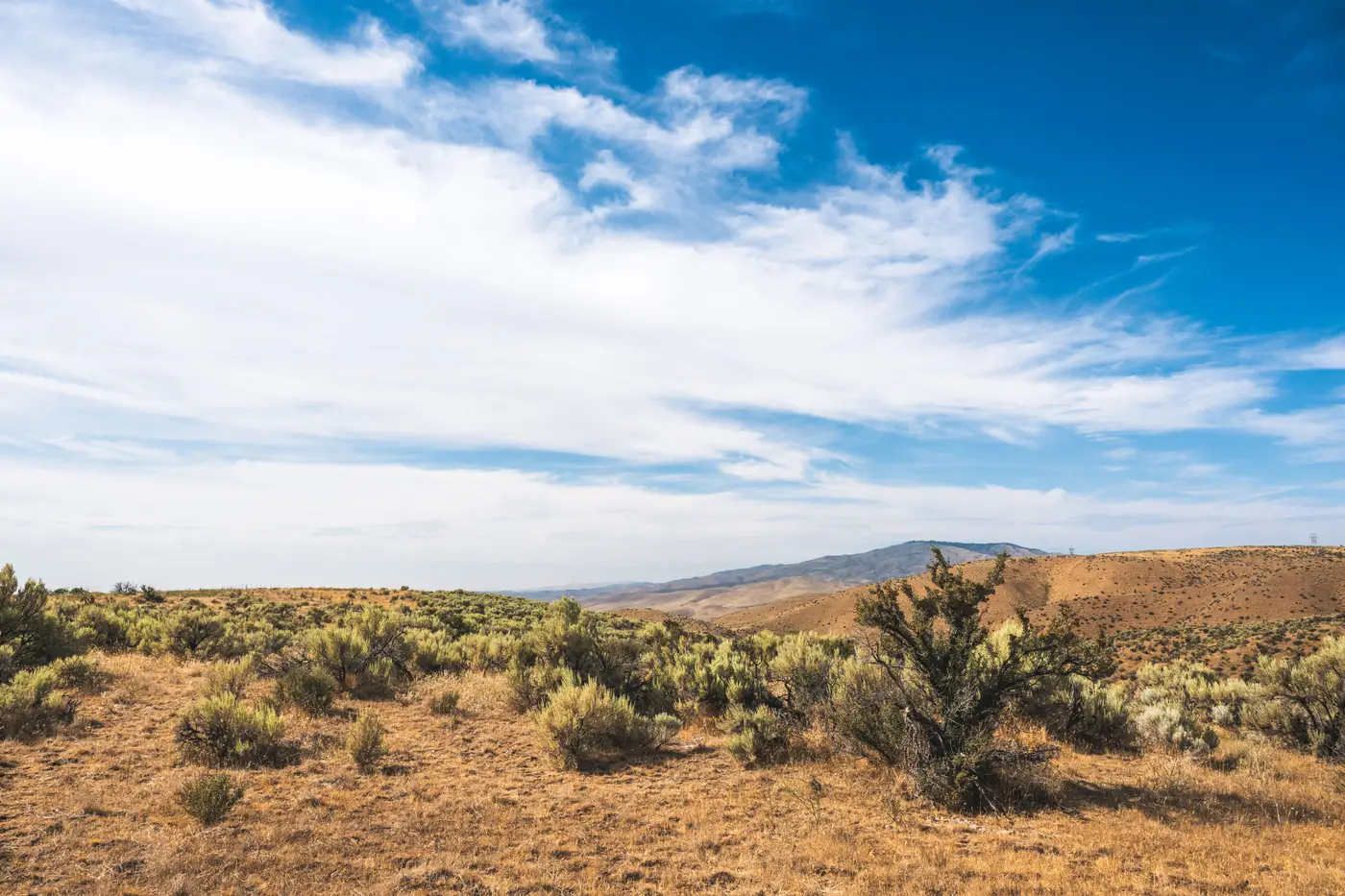 What a vegetation stress halo is, and why it shows up before the soil does
Why a dead-vegetation halo from a leak or seep often shows up in imagery weeks before anyone can see stained soil on foot.
- Oct 13, 2026SPCC plan vs. satellite screening: what the plan doesn't catch
An SPCC plan governs containment and response on paper. It has no mechanism for finding a seep nobody walked past or reported.
- Oct 13, 2026What counts as a reportable spill under state oil and gas rules
A plain look at how state spill reporting thresholds work for oil and gas operators, and why some releases never get counted at all.
- Oct 8, 2026How long after a leak starts does a dead-vegetation halo show up?
A field guide to the vegetation stress timeline after a hydrocarbon spill, from first wilt to the halo multispectral imagery can pick up.
- Oct 8, 2026Produced water spill vs. drought stress: how to tell them apart in satellite imagery
How to distinguish produced water spill symptoms from drought stress in satellite imagery, by shape, timing, and soil signature.
- Oct 8, 2026Salt scarring vs oil staining: telling them apart in satellite imagery
How to read brine scars versus oil staining in satellite imagery, and why the distinction changes which crew and kit you send.
- Oct 8, 2026What is a stained-soil signature in multispectral imagery?
A plain-language look at how stained soil shows up in multispectral satellite bands, and what that spectral signature can and can't tell you.