What a landfarm is, and why it reads like a spill from above
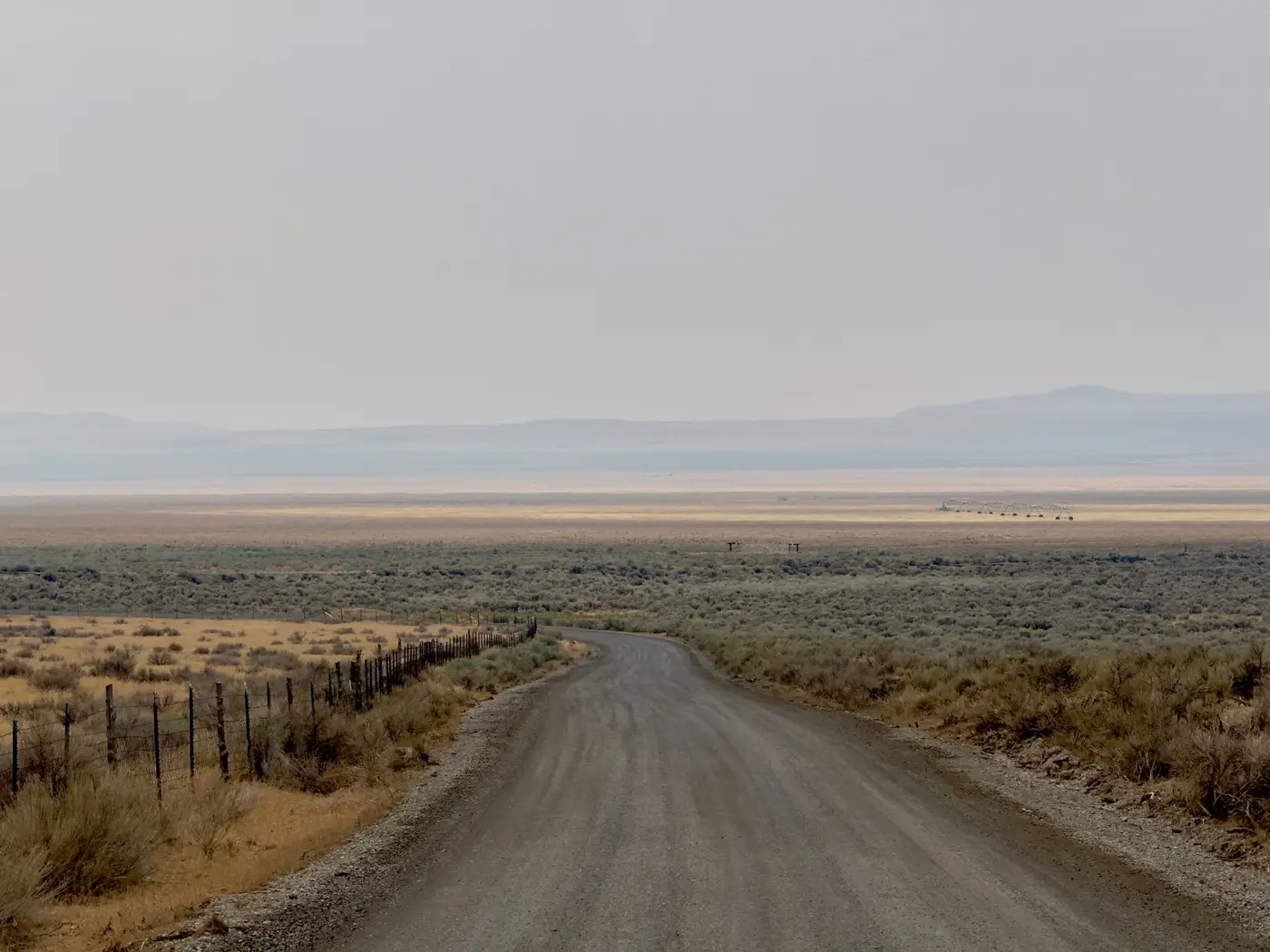
If you run a multispectral pass over a lease looking for an unreported release, sooner or later it flags a landfarm. The dead-vegetation ring is there. The soil discoloration is there. Everything a screening tool is trained to catch on a terrestrial spill shows up in that cell, and none of it is a leak.
A landfarm, more formally a land treatment unit or LTU, is a permitted patch of ground where an operator spreads oil-contaminated soil, drill cuttings, or produced water solids in a thin layer and tills it into the topsoil on a schedule. The idea is old and it works: soil microbes break down the petroleum hydrocarbons over months or years, aided by tilling for aeration and sometimes nutrient amendments to speed things along. Done right, it closes out as clean soil. It's one of the standard disposal paths for solids and water that come off a well pad, and most states with active oil and gas programs have a permitting process built specifically around it.
Why it carries the same signature a leak does
A screening tool built to catch terrestrial spills is looking for two things: vegetation that's stressed or dead where it shouldn't be, and soil with a chemical signature that doesn't match the surrounding ground. A landfarm cell delivers both, on purpose.
The soil in an active cell is loaded with hydrocarbons by design, often at concentrations higher than anything a surface release would leave behind, because that's the whole point of putting it there. Vegetation on or near an active cell is frequently absent or struggling, either because the operator keeps it bare to manage the treatment process or because the TPH load in the topsoil won't support much growth yet. From several hundred kilometers up, a tilled, periodically wetted, hydrocarbon-loaded rectangle looks exactly like what a halo-and-stain detector is built to flag.
The shape sometimes gives it away. Spills follow terrain, pipeline routes, or a tank battery's drainage path. Landfarm cells are usually regular, bermed, and bounded, because they're engineered that way. But not every LTU reads as a clean rectangle on first pass, especially older ones or units expanded over several permit cycles, and a screening tool working purely off spectral signature has no way to know the cell is permitted rather than accidental.
The false-positive problem, and what to do about it
For a screening workflow, this matters because every candidate location on a ranked list costs someone a drive and a walk. If a known landfarm sits on the lease and nobody's flagged it as an exclusion zone, it's going to land near the top of that list every time imagery gets pulled, permitted and functioning exactly as designed. That's a wasted trip, and worse, it trains whoever's reviewing the list to discount the tool after the second or third time the same cell shows up.
Catching that requires context the imagery alone doesn't carry. A compliance team running screening on a lease with an active or recently closed LTU should hand over the unit's permitted footprint and exclude it, or at minimum flag it so a reviewer isn't starting from zero each time. For a produced water landfarm under active remediation, the signature can also shift season to season as treatment progresses, which is useful information in its own right but not the same question as "is there an unreported release somewhere on this property."
None of this means screening should ignore the area around a landfarm. Berm failures happen, tanks feeding a cell can leak before the material reaches the unit, and a cell that was closed out five years ago can still carry a legacy stain worth checking once. A known, permitted LTU is a maintenance record. An unexplained halo on a stretch of pasture nobody's touched is the thing you actually sent the imagery out to find.
Spill Detection turns a suspected event into a ranked list of candidate locations worth a site visit, built from the dead-vegetation halos and stained-soil signatures a release leaves behind, so request a read on your lease after the next suspected event.