What is a flowline, and why it's the easiest leak on a lease to miss
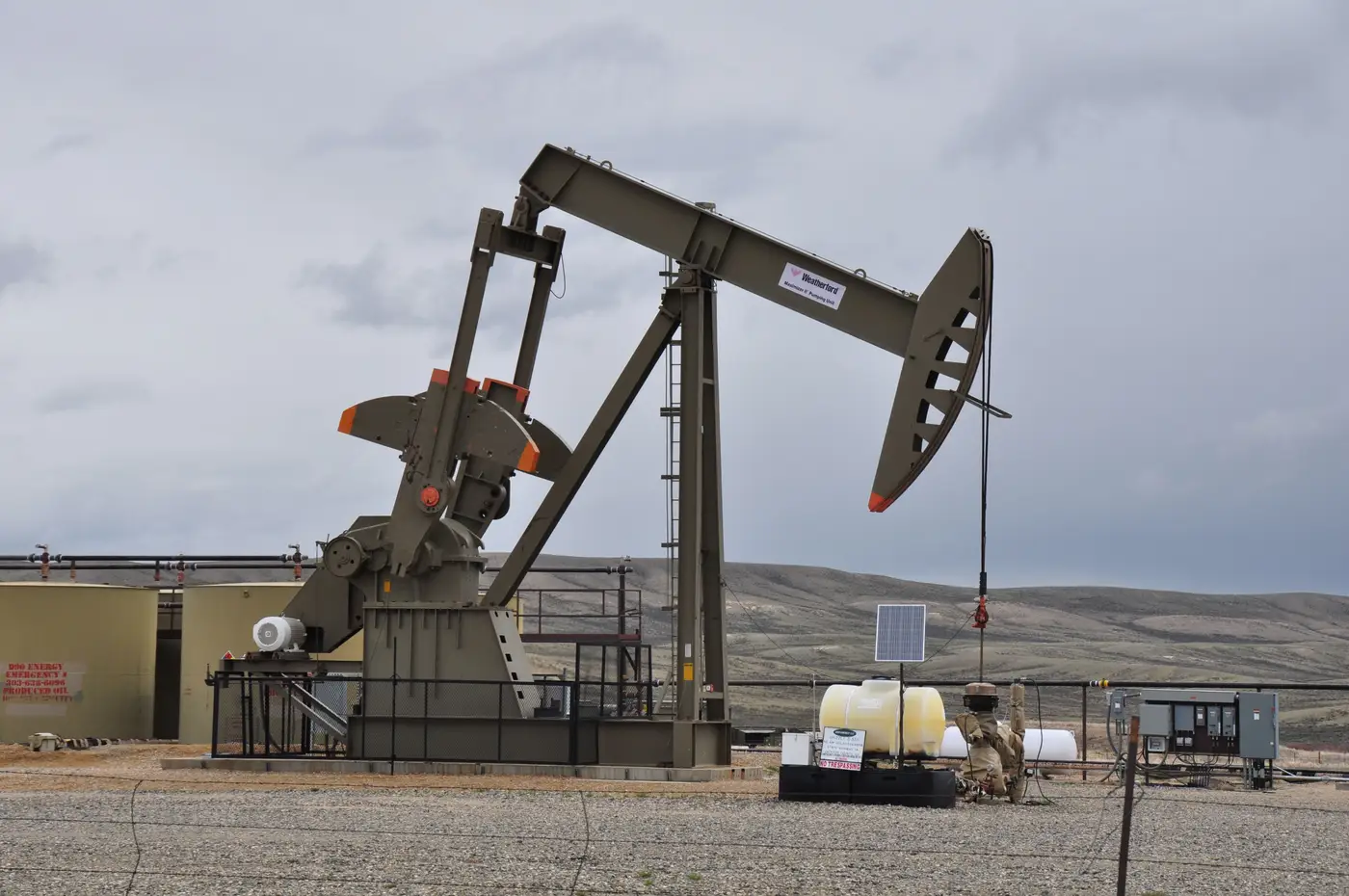
A flowline is the pipe that carries production, oil, water, gas, whatever the well is making, from the wellhead to the tank battery or the first point of separation. On most leases it's a few hundred feet of 2 or 3-inch steel or poly line, buried a foot or two down or laid in a shallow ditch and covered over. It runs at whatever pressure the well puts out, which on a stripper or marginal well can be low enough that a pinhole leak doesn't register on anything.
That's the root of the problem. A transmission line or a plant feed line has pressure monitoring built into how it's operated: a drop on the gauge means something's wrong and somebody gets a call. A flowline running at 20 or 40 psi doesn't give you that signal. It can weep at a corroded fitting or a frost-heaved joint for weeks, and the only evidence is a wet spot that dries out between visits.
Where a flowline sits on the lease, and why that location works against you
Flowlines run through the parts of a lease nobody looks at closely. They're routed to avoid roads and turnarounds, so they cross pasture, draws, and brush that a pumper's truck route doesn't pass close to. A daily or weekly check covers tank levels, chart recorders, and the wellhead itself. The buried line between wellhead and battery rarely gets walked on that same round. On an older lease with marginal wells and no SCADA, the gap between physical passes can run long.
A buried flowline leak often shows up as dead or stressed vegetation before it shows up as visible product. Salt water kills grass fast. Crude smothers roots and leaves a stunted, yellowed patch before it ever produces a sheen. Both signs sit low to the ground, off the two-track, in brush taller than the leak itself. A windshield check from the truck isn't going to catch a dead-grass halo forty yards off the lease road.
Why the usual safeguards don't catch a flowline leak
Most spill reporting on a lease still runs on two channels: instrumentation and people. Instrumentation works when a leak is big or fast enough to move a tank level or trip a pressure switch. A slow flowline weep rarely does either. People work when somebody walks past the right spot at the right time, or a landowner spots a dead patch and calls it in. Neither is really a system. Both depend on the leak happening somewhere convenient to notice, and a buried gathering line between a wellhead and a tank battery usually isn't that.
That's the gap flowline leak detection is actually about: catching a low-pressure gathering line spill that never reached a creek or a pond, so it never tripped a water-quality alert, and that nobody happened to walk past while it was fresh enough to spot by eye. The leaks that get caught this way tend to be the ones that have been running longest, because they're the ones that depended entirely on luck to get reported in the first place.
A multispectral pass over a lease reads the same signals a sharp-eyed pumper looks for on foot: the dead-vegetation halo around a stained patch of soil, the stress ring where salt or crude has been sitting. On a lease with miles of flowline and gathering line crossing rough ground, that's a faster way to narrow down where to send a crew than walking every foot of pipe after a suspected release. Spill Detection takes a multispectral image of a flagged lease and turns it into a ranked list of spots worth a boot check, the same patches a careful walk would eventually find, without waiting for the walk.
If you've got a lease where a release is suspected and nothing's turned up yet, that's worth closing before the next rain or the next landowner call.