Field notes: the halo at the fence line we almost called mowing damage
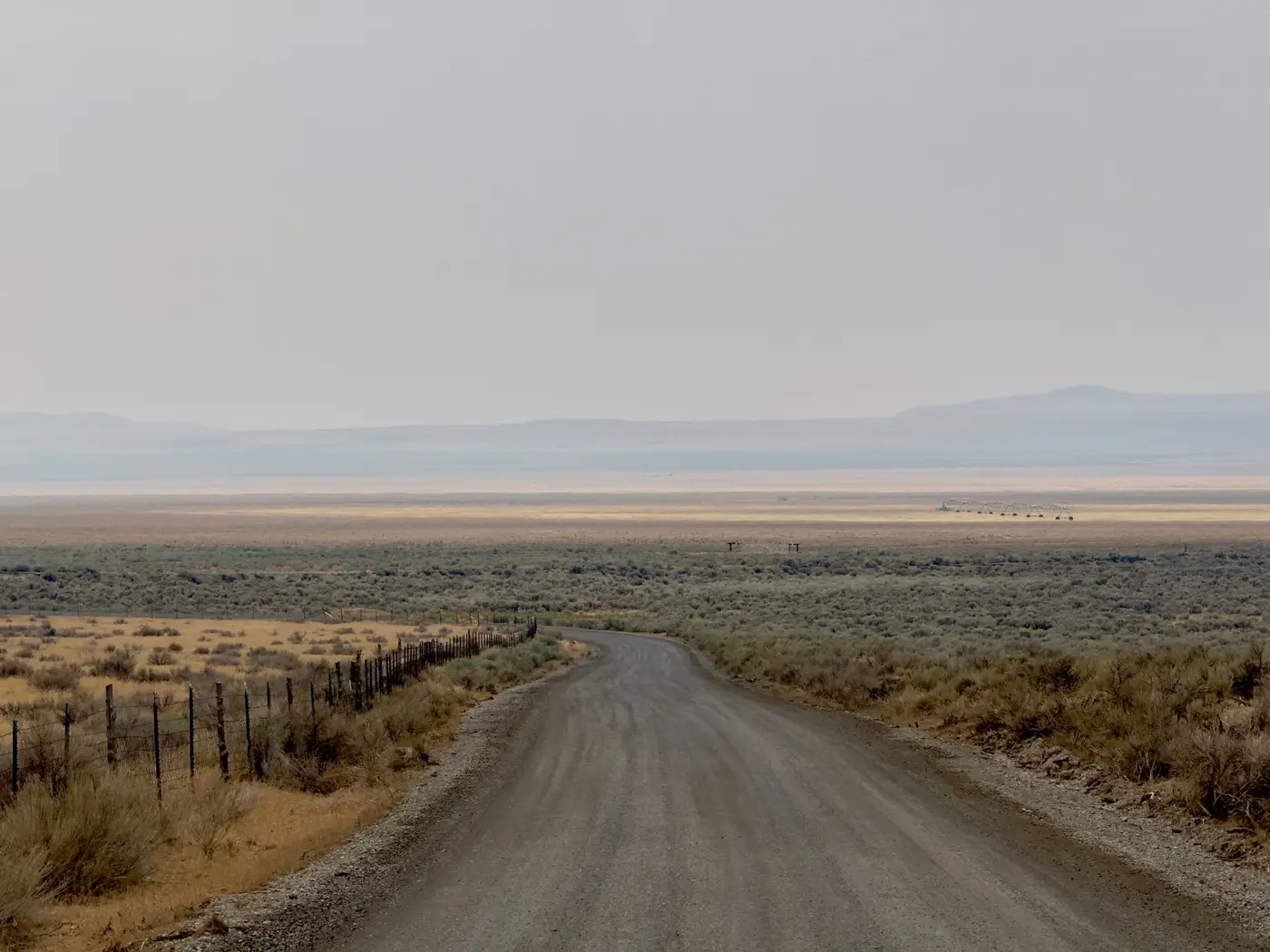
There's a particular shape of dead grass that every lease hand has seen and most of us have talked ourselves out of. A rough ring, a few meters across, edges a little ragged where the equipment turning radius would be. Right along a fence line, right where a mower deck clips low on the turn and scalps the crown of the grass. You walk it, you shrug, you move on to the next thing on the list.
We almost did exactly that on a lease walk this fall. The ring was there, pale and curled at the edges, sitting maybe four feet off the fence wire where the right-of-way mower makes its turn every time the county contractor comes through. Mowing damage has a signature: directional, following the turning path, usually worse on the outside of the curve where the deck digs in. This one had the right general shape. It also had something mowing damage doesn't leave behind, which is a stain.
Underneath the dead grass, the soil had gone a shade darker and slightly glossy in a way that bare dirt from a scalped mower pass doesn't do. Scalping exposes soil. It doesn't season it. We'd have missed that distinction from the truck window, and honestly we almost missed it on foot, because by the time you're crouched down looking at soil color you've already decided what you're looking at and you're just confirming it.
What made us slow down was the halo's relationship to grade. Mower damage sits where the mower goes, which means it tracks the fence line and the turning radius, flat and predictable. This ring sat slightly off that line, pulled a few feet toward a low spot where the ground dishes before it levels back out toward the pad. A mower doesn't care about a dish in the grade. Whatever killed this grass did.
That's the tell that's easy to miss when you're the one driving the quarter, lease after lease, with a list of twenty other things flagged for the day. Dead vegetation halos and mower scalping both present as circular dieback near infrastructure, both show up near fence lines and access roads where equipment runs, and both look, from thirty feet, exactly the same shade of brown. The difference is in the stain, the grade relationship, and sometimes the smell if you get close enough and the weather's been dry. None of that is visible from a truck, and none of it shows up on a windshield survey that's covering forty sites before lunch.
This is the kind of near-miss that doesn't make it into any report, because we caught it before it became one. But it's worth sitting with, because the ones that look exactly like something boring are the ones that get waved off fastest. A real leak doesn't announce itself with a sheen on open water or a smell that carries. On ground that's never going to reach a creek, it just kills the grass in a ring and stains the dirt underneath, and it depends entirely on whoever's walking that fence line slowing down enough to ask why the ring isn't quite where the mower would put it.
We've started treating that question as the actual test: not "is there dead grass here," but "does this dead grass sit where the equipment goes, or somewhere else." It's a small thing to check, until you consider how many of these rings exist on a lease at any given time and how few people have the hours to walk every fence line this season. That's the gap a screening pass over multispectral imagery is built to close: flagging the halos worth a second look, on request after something's already made you suspicious, rather than relying on the next person with a mower deck to notice the ring doesn't quite line up. Spill Detection reads those halos and stained-soil signatures so you can send a crew to the ring that doesn't belong before it has time to answer the question for you.
If you've got a lease you've been meaning to walk again, now's the time to ask what's actually making that grass brown.