What is a legacy spill, and why does it still show up on a lease screen?
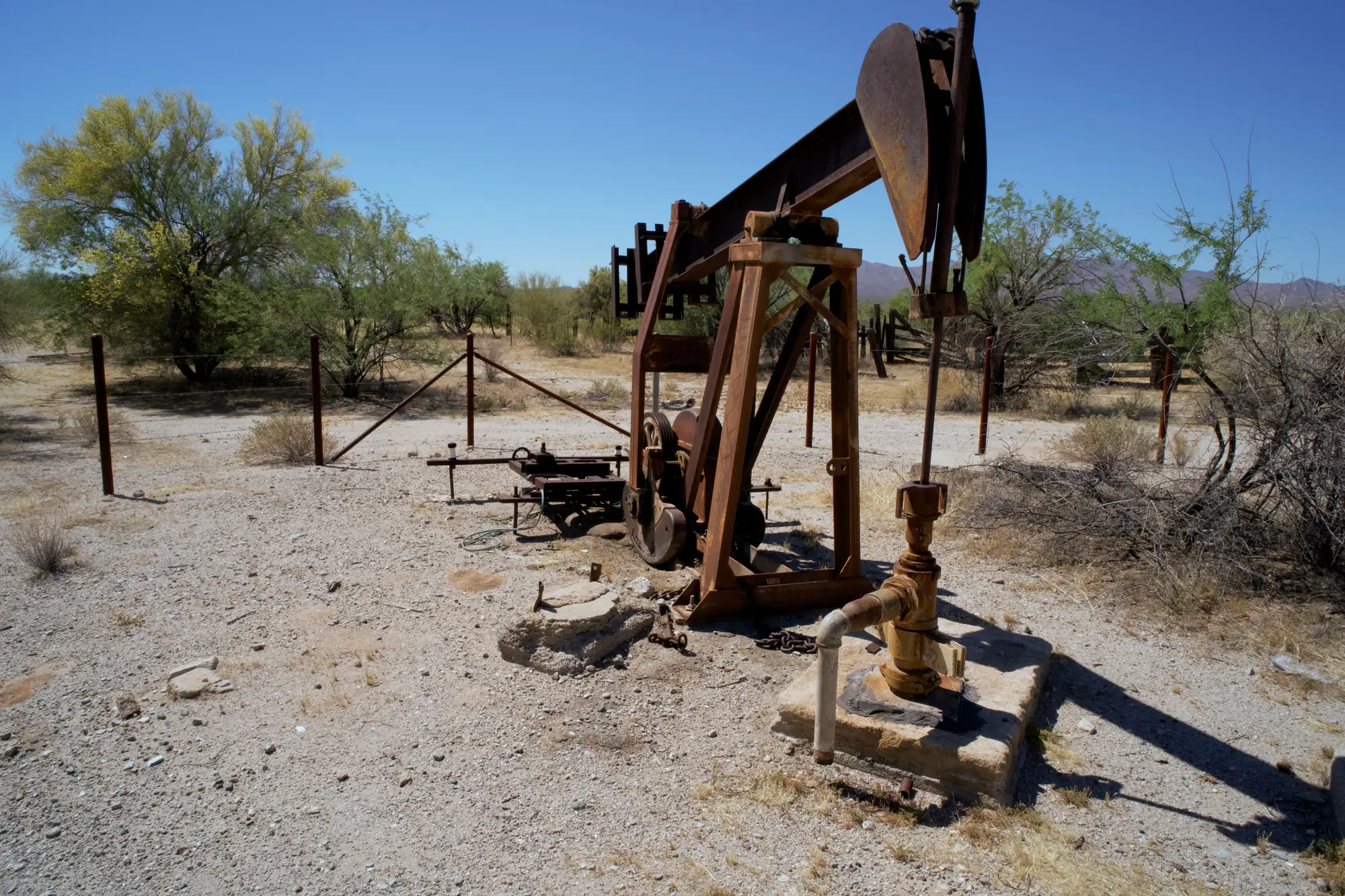
A legacy spill is a release that happened years, sometimes decades, before anyone currently working the lease was on the payroll. It was never reported, never remediated, or remediated badly enough that the stain came back. The paperwork trail is thin or gone. The people who'd remember are retired or moved on. And then a landman runs a title check, a buyer orders a Phase I, or a regulator schedules a routine lease screen, and there it is: a patch of ground that's been dead or stunted for longer than anyone on site can explain.
Most spill history from before the last ten or fifteen years was never digitized in a way anyone can search. Spill reports from the 1970s through the 1990s live in county courthouses, in operator file cabinets that changed hands three times, or nowhere at all. A lot of smaller releases on remote acreage were handled with a shovel and a truckload of fill dirt and never got written down anywhere. The ground remembers even when the file doesn't, which is the whole reason these sites keep resurfacing on screens years after the fact.
Why the vegetation still tells on it
Crude oil and produced water don't just kill plants once and let the site recover on its own schedule. Salt-impacted soil from a brine release can stay too saline to support normal growth for years, sometimes longer, because the salt doesn't break down the way hydrocarbons eventually do. Heavy hydrocarbon fractions bind to soil particles and keep root zones anoxic long after the surface looks weathered and brown rather than black. So you get a halo: a ring or patch where the plant community is thinner, different in species mix, or simply absent, bordered by normal growth outside the impacted zone.
That boundary is what shows up in a multispectral pass. Healthy vegetation reflects strongly in the near-infrared band and chlorophyll absorbs specific visible wavelengths in a predictable way. Stressed or dead vegetation doesn't follow that pattern, so the contrast between the halo and the surrounding brush reads clearly even when the human eye, looking at a regular color photo or walking the fence line, would just see "some bare patches, probably from cattle or drought." Stained soil behaves differently too; oil-darkened ground and salt scald both carry a distinct spectral signature compared to the native soil color around them.
This is also why legacy spills get missed by water-based monitoring. None of this ever reached a creek or a stock pond. There was no sheen, no fish kill, no reason for anyone downstream to call it in. The leak or the old release just sat on the lease, slowly poisoning its own footprint, with nothing tripping an alert built to watch for contamination moving off the property.
What a lease screen is actually looking for
When a screen turns up a legacy spill candidate, the question isn't "is oil still flowing." Usually it isn't. The question is whether the site needs to go on a remediation list, whether it affects a transaction, or whether a regulator needs to ask the current operator what they know about it. A ranked list of candidate locations from imagery does the job a routine walk was supposed to do but usually can't, because a few hundred acres of lease ground takes a crew days to cover on foot and old impact sites don't announce themselves with a sheen or a smell anymore. They just sit there as a slightly wrong patch of grass that someone has to notice is wrong.
Screening a lease from imagery does a specific job that institutional memory and a landowner's offhand mention at the fence line can't: it covers the whole acreage at once, on a schedule you control, instead of waiting for someone to happen to see something. Spill Detection takes a suspected area, after a report or a transaction trigger, and reads the dead-vegetation halos and stained-soil signatures across the acreage, handing back candidate locations worth a crew visit rather than a blanket "go walk the whole lease." It tells you where to send someone with a shovel and a sample kit, the step that was always the bottleneck, rather than dating the release or naming the operator responsible.
If you're staring down a lease with no clean spill history and need a place to start looking, see how the screening works before you schedule the walk.