What is secondary containment, and why a berm still overflows
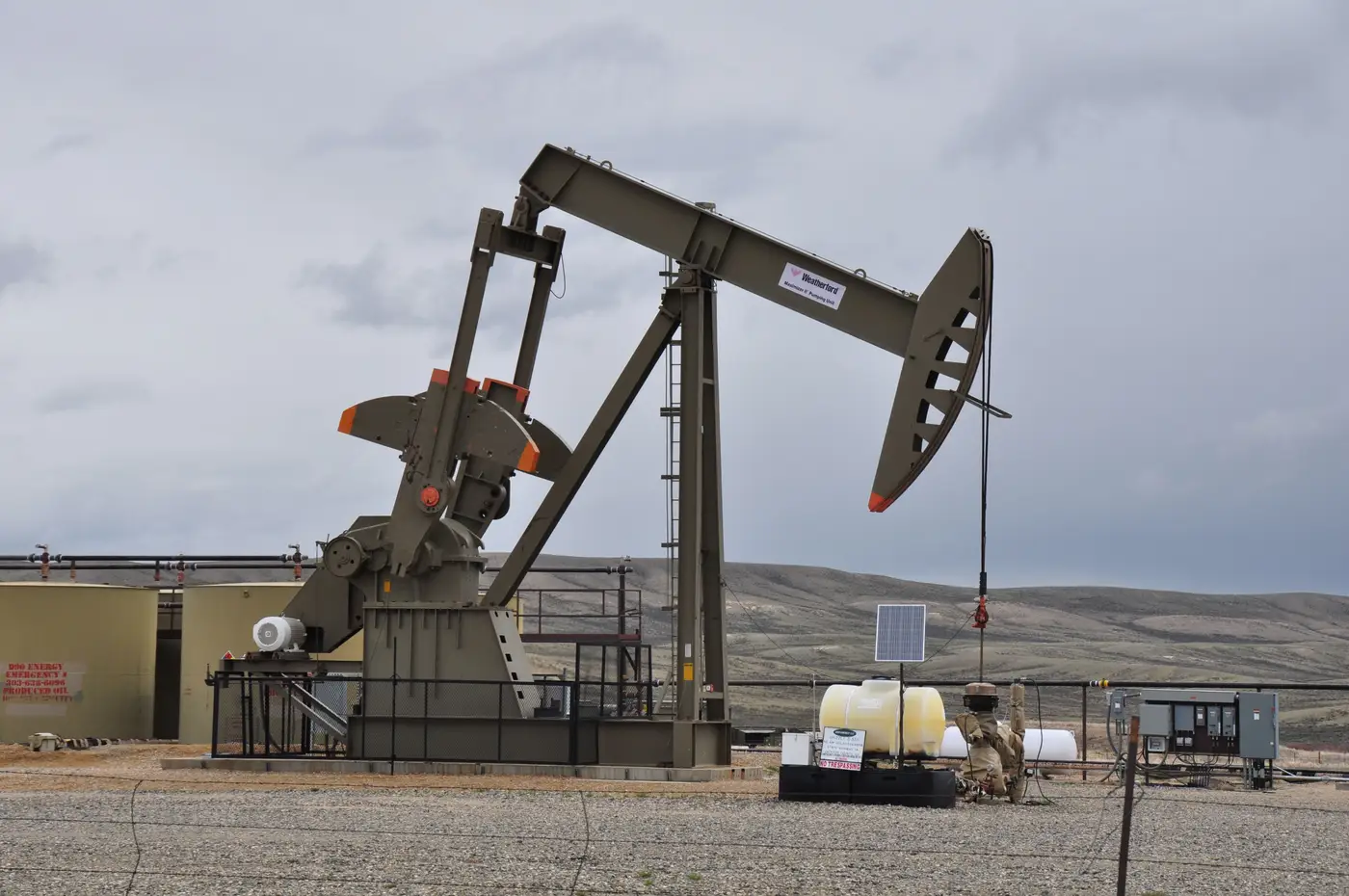
Secondary containment is the second line of defense around a tank, battery, or pit: a berm, dike, or liner built to hold whatever the primary vessel loses before it reaches soil or a ditch. Most state rules borrow the same baseline as SPCC: containment sized to at least 110% of the largest tank's volume, plus whatever freeboard the design calls for to handle rain. On paper, it's simple. A tank fails or a valve sticks open, the berm catches the volume, a crew pumps it out before it goes anywhere.
In the field it's less tidy. A berm is dirt, or dirt with a liner, sitting outside in weather, and dirt moves.
How a compliant berm still overtops
The containment passed inspection last quarter. That doesn't mean it's still doing its job today.
Settling and erosion. Berms built on uncompacted fill settle unevenly over a season or two. A low spot that didn't exist at construction shows up where runoff has been cutting a channel, and that's the spot that goes first.
Freeze-thaw and cracking. Anywhere that gets a hard winter, the berm face cracks and heaves. Come spring thaw, water finds the crack before anyone walks the line.
Burrows. Ground squirrels, badgers, and muskrats don't read SPCC plans. A burrow through the toe of a berm is one of the more common ways a contained volume finds a way out, and it's invisible from the access road.
Liner punctures and seams. Where there's a synthetic liner, UV breakdown, rock punctures, and seam failure at the welds all show up years after installation, usually at a stress point like a sump or a pipe penetration nobody re-checks after the original build.
Capacity math that doesn't hold. The 110% rule assumes the berm stays at design volume. Add a storm that dumps more than the freeboard was sized for, or sediment that's built up in the catchment over a few years and eaten into usable volume, and a berm that was compliant on the drawing is short on the day it matters.
Drain valves left open. Some containment has a manual drain to let stormwater out after a rain. If it gets left cracked open, or someone forgets to close it after the last check, the berm is passing fluid straight through on the next release instead of holding it.
Any one of these can turn a berm from a backstop into a pass-through, and none of them are visible from a truck on the lease road.
Why the inspection cadence misses it
Walk inspections catch what's wrong the day someone walks it. A burrow that opens up on a Tuesday and a release that happens on a Thursday can sit there through the next scheduled check, sometimes a month out, sometimes longer on a low-priority site. Nothing about that is anyone cutting corners. It's the gap between how often a person can walk every berm on a lease and how often ground conditions actually change.
The releases that matter most here are the ones that never reached a creek or a pond. No fish kill, no downstream water sample flagging high, no call from a landowner three miles away. The fluid stayed on the lease, soaked into the catchment or crept past the toe of the berm into the surrounding ground, and it's been sitting there since the last time anyone happened to look down instead of across. That's the gap a routine walk and a water-based alert both miss by design: they're built to catch different things.
By the time an overtopped or bypassed berm shows up on its own, it's usually because the dead vegetation around it finally got noticeable from the road, or someone on a different job stumbled onto stained soil they weren't looking for. Multispectral imagery picks up both signatures earlier than a drive-by does, which is the gap Spill Detection is built to close: run it over a lease after a suspected event and get back a ranked list of spots worth sending a crew to check first, instead of walking the whole footprint cold.
If you've got a lease where the containment checks out on paper but something still feels off, that's exactly the kind of screening worth running before the next scheduled walk.