Field notes: the lease we almost closed out before the second pass caught the stain
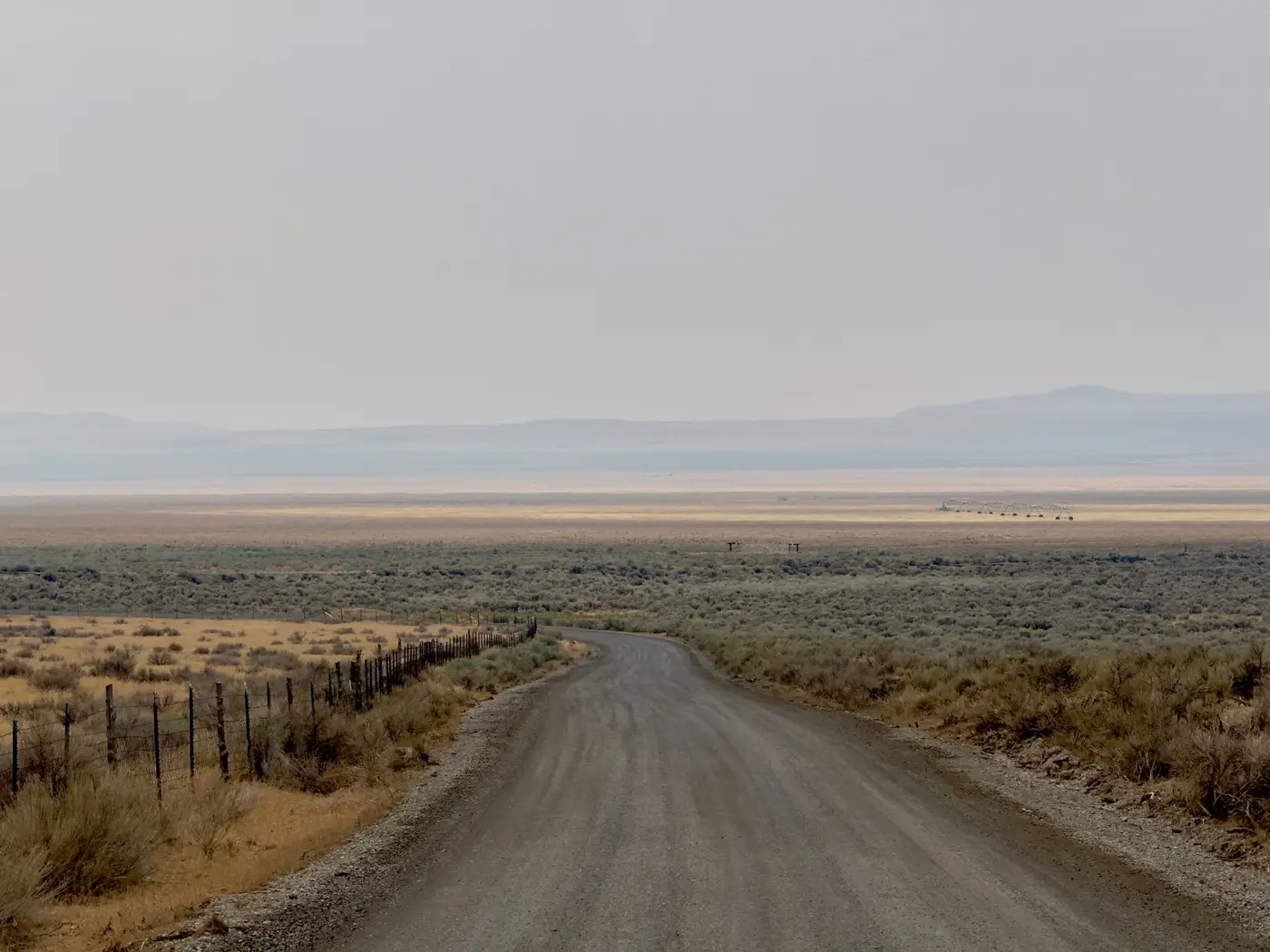
There's a particular feeling in this work when a lease passes its final walkdown. The wellhead's capped, the tanks are gone, the access road is already going back to grass. You sign the closeout packet and move to the next file on the stack. For a minute, the lease is finished business.
That feeling is exactly why the second pass matters, and why it keeps earning its place in the process even after everyone involved has already said the site is clean.
The lease in question had been through the usual sequence. P&A complete, equipment pulled, a walkdown by someone who knows what a release looks like underfoot. Nothing flagged. The soil near the old tank battery looked the way reclaimed soil looks in late season, which is to say not great but not obviously wrong either. Grass stand was patchy, but patchy grass on a former pad site isn't a release, it's just what three years of compacted caliche does to a seed mix.
What the walkdown missed was a halo, maybe forty feet off the old secondary containment, where the vegetation had never fully come back even though the surrounding acreage had greened up fine that spring. On the ground, in October light, it reads as a bad patch. From above, in the right bands, it reads as something that's been soaking into that soil longer than anyone walking it that day would guess.
This is the gap a lot of closeout processes still have. A walkdown is a snapshot, done once, by someone covering a lot of ground in a single afternoon, often the same afternoon as four other leases. It's a good method for catching anything obvious. It's a weaker method for catching a seep that's been running quietly under a berm that still looks intact from the surface, because nobody's going to dig a hole on a hunch when the file says everything passed.
A second look that doesn't get tired or distracted, run on the same footprint after the first pass has already called it clean, is what actually changes the outcome here, not another crew sent out to walk the same ground. That's the whole case for pairing a walkdown with an imagery pass before a closeout gets signed. Dead vegetation and stained soil have a spectral signature that's consistent even when it's subtle on the ground, and a second pass catches it precisely because it isn't looking for what the first inspector expected to find. It's looking for the halo.
None of this is a knock on the field crews. Reading soil and vegetation stress in person, at ground level, across acres of lease after lease, is a skill, and most of the people doing it are good at it. But a single visual pass has a ceiling, and that ceiling is exactly where this lease's problem was sitting. The site that worries me now is the one that's already been walked, already been signed off, already filed, where the stain is doing its slow work forty feet off the pad and nobody's looking again.
If your closeout process is still a single walkdown and a signature, it's worth running a second check before the file gets archived. Spill Detection reads that same lease from multispectral imagery and hands back a ranked list of spots worth a second set of boots, the ones a routine walk is likely to pass right over.
Run the second pass before you sign the file, not after someone else finds the stain.