Field notes: the smell complaint that pointed us at the wrong forty
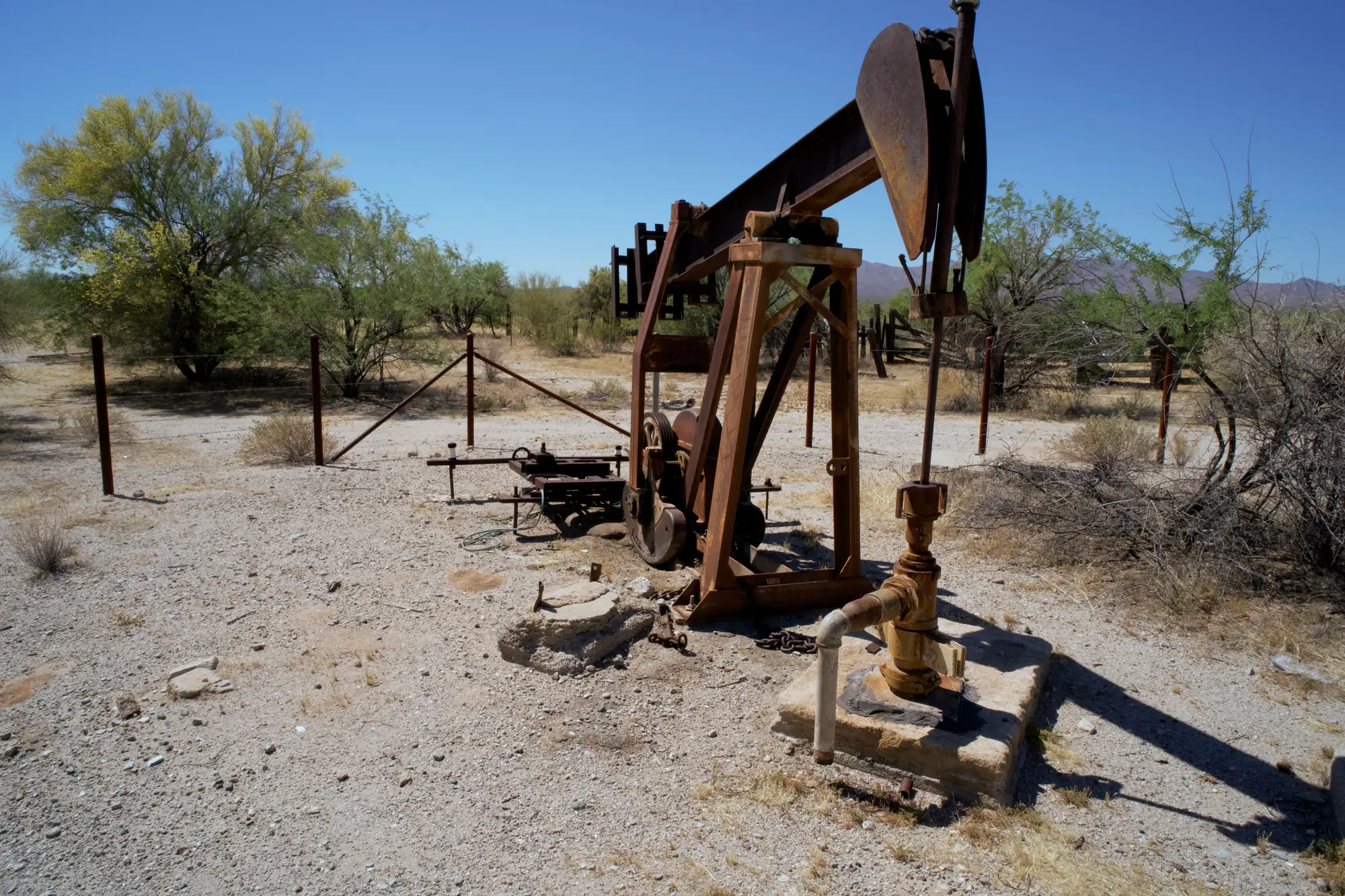
A landowner called in late August, said he could smell "something like a flat tire burning" when he drove his north fence line in the evenings. He put it near the old battery on the 40 we'd been leasing since the Bush administration, so that's where the pumper went first. Walked the whole pad, checked the tank gauges, ran the thief hatch, nothing. Checked the separator skid, the flowline tie-ins, even popped the lid on the water tank. Clean.
He came back and said the smell was there but he couldn't find a source, and that's usually where these things die. A guy writes "investigated, no findings" on the report and moves to the next call.
The complaint didn't die because the landowner called back a week later, annoyed, saying the smell was still there and now his cattle wouldn't graze a patch near the fence. That's the detail that matters. Cattle know before people do. They won't eat over a seep even when there's no sheen on the ground and no obvious stain, because something in that soil chemistry changes and they can tell.
So we went back out, and this time instead of walking the lease road we walked the fence line itself, which runs along the section line between the 40 we'd been checking and the neighboring 40, held by a different operator entirely. About 600 feet past our pad, on their side of the line, a flowline crossed a draw at about eighteen inches deep. The pipe coupling style matched a nineties-era install. The grass over about a thirty-foot stretch of that crossing was yellow and thin in a shape that didn't match drought stress; drought stress doesn't make a ring. We dug a test hole and the soil six inches down was dark and oily and smelled exactly like what the landowner described.
Nobody had flagged that flowline for anything. No SCADA alarm, because a pinhole leak in a gathering line doesn't always move enough volume to trip a pressure drop that anybody's watching for. No sheen reached the draw's intermittent creek because the terrain pitched the wrong way and the soil just soaked it up before it got that far. If it never reaches a watercourse, it never trips a water-based alert, and a slow weep like that one can run for months before a walking inspection happens to cross the right forty on the right week.
The part that stuck with me is how much of this depended on a rancher noticing his cattle avoiding a spot and being annoyed enough to call twice. That was luck, the kind you can't build a program around. Most complaints like this get closed out after one lease-wide walk because the crew checked the obvious equipment and found nothing wrong with it, which is true and also beside the point when the problem is a buried line on the neighbor's acreage that nobody had any reason to suspect.
What would've helped is having something to point the second trip at before we wasted the first one walking the wrong pad. A dead-vegetation ring and a stained patch of soil show up in multispectral imagery whether or not anyone's cattle are smart enough to avoid the spot, and that's the whole idea behind screening a suspected lease for exactly that signature instead of relying on a landowner's second phone call to aim the crew correctly. We didn't have that tool for this one. We got it eventually.
If you've got a complaint on the books that doesn't match anything on your own pad, it might not be your pad. Run a screen before you call it unfounded.