What a vegetation stress halo is, and why it shows up before the soil does
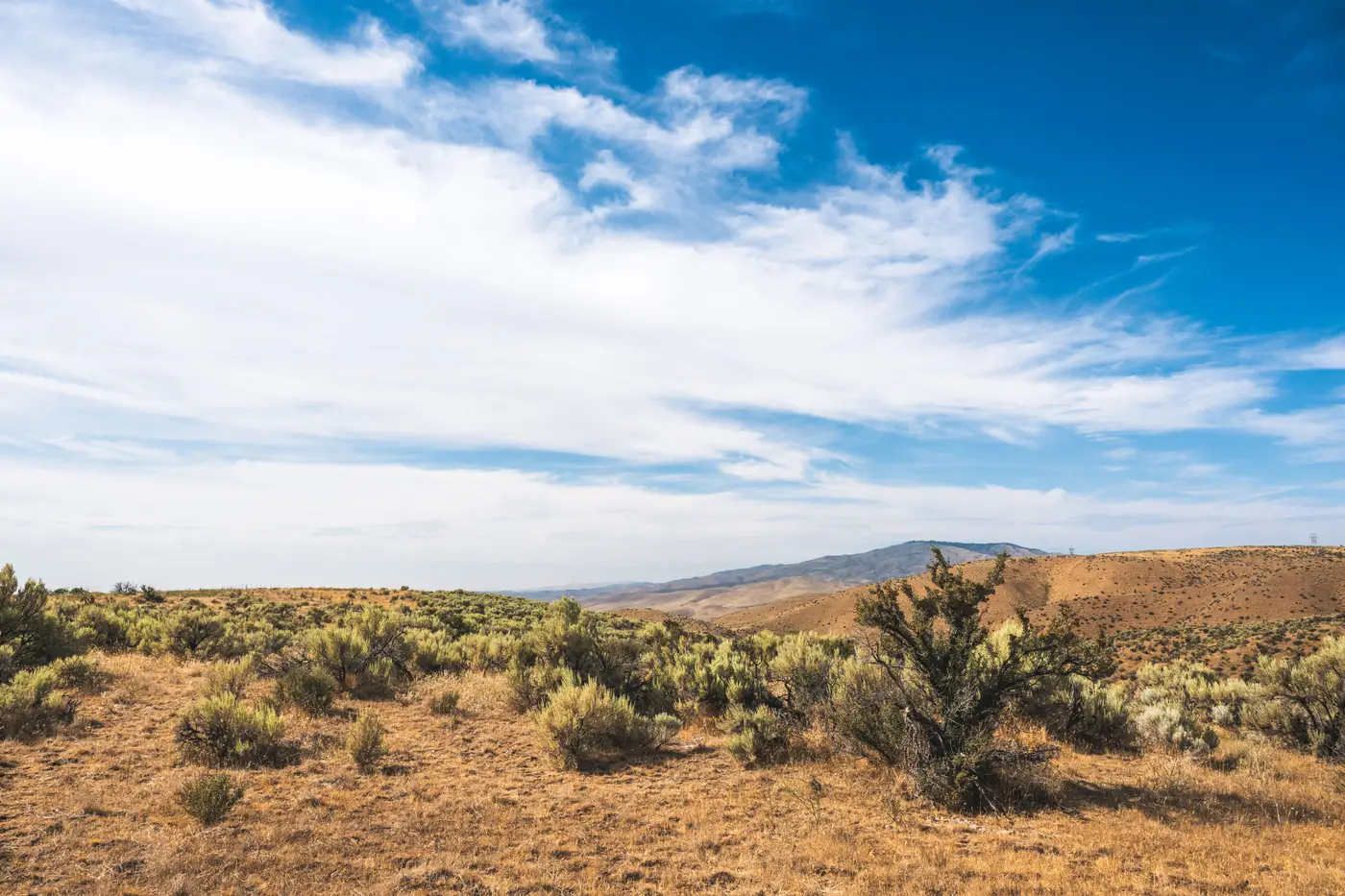
A vegetation stress halo is the ring of struggling or dead plants that grows outward from a leak or seep before the leak itself is visible at ground level. The halo is the plants reacting to what's under them, and it almost always shows up first.
If you've walked a lease after a landowner call or a pressure anomaly and found nothing but a patch of browner grass, you've already seen one. The question most compliance leads actually have is why the canopy goes first, and how much lead time that buys before the soil tells the same story.
Why the canopy reacts before the ground looks wrong
Hydrocarbons in the root zone don't just sit there. They displace oxygen, change soil pH, and in a lot of cases coat root hairs enough to choke off water uptake. The plant feels that stress long before it shows it to a person standing over it. Chlorophyll production drops, leaf water content falls, and the canopy's internal structure starts to change at the cell level. All of that shifts how the plant reflects light, especially in the near-infrared range, well before a human eye would call the leaves yellow or thin.
Visible staining on the soil surface is a different clock. It depends on volume, product type, how much has weathered or evaporated, rainfall, and whether the release ever broke the surface in a way a walking inspection would catch. A seep that's been migrating through subsoil for weeks can be doing real damage to the root zone while the surface still looks like ordinary dirt. The plants are reading soil chemistry the staining hasn't caught up to yet.
That's the gap a halo lives in. Stressed canopy, clean-looking ground.
How soon does a halo actually appear
There's no fixed countdown, because it depends on the plant community, the season, soil type, and how much product is involved. A shallow, active seep under shallow-rooted grass in a hot, dry stretch can show measurable canopy stress faster than the same release under deep-rooted brush in cooler weather. What's consistent across those variables is the order of events: canopy stress shows in multispectral data before a crew walking the lease would flag anything by eye, and usually before the soil discoloration is wide enough or dark enough to stand out from a truck window.
That's the whole reason halos matter for screening: they point a walkthrough at the right few acres on a lease that might run for miles.
What the ring actually looks like in the data
It's rarely a crisp circle. More often it's an uneven ring or crescent that follows subsurface flow, slope, and soil texture, tightest where the product has been in contact longest and fading out where stress is mild enough that the canopy hasn't fully given up yet. The center sometimes shows bare ground or heavier staining if the release broke surface; the outer edge is where the vegetation signature usually shows up first and strongest, because that's where the transition from stressed to healthy plant is happening in real time.
Why this matters for screening a lease after a suspected event
None of this helps if a release never reached a watercourse and never tripped a water-based alert. Those are exactly the leaks that depend on someone noticing a dead patch on a routine drive-by, or a landowner calling in a smell. Spill Detection reads that dead-vegetation halo and the stained-soil signature together from multispectral satellite imagery, on request after a suspected event, and hands back a ranked list of spots on the lease worth sending a crew to check first.
If a release might be running unnoticed on acreage you can't walk every week, that ranked list is the point where screening stops depending on luck.